
Aphasia — The Strategic Power of Saying Nothing
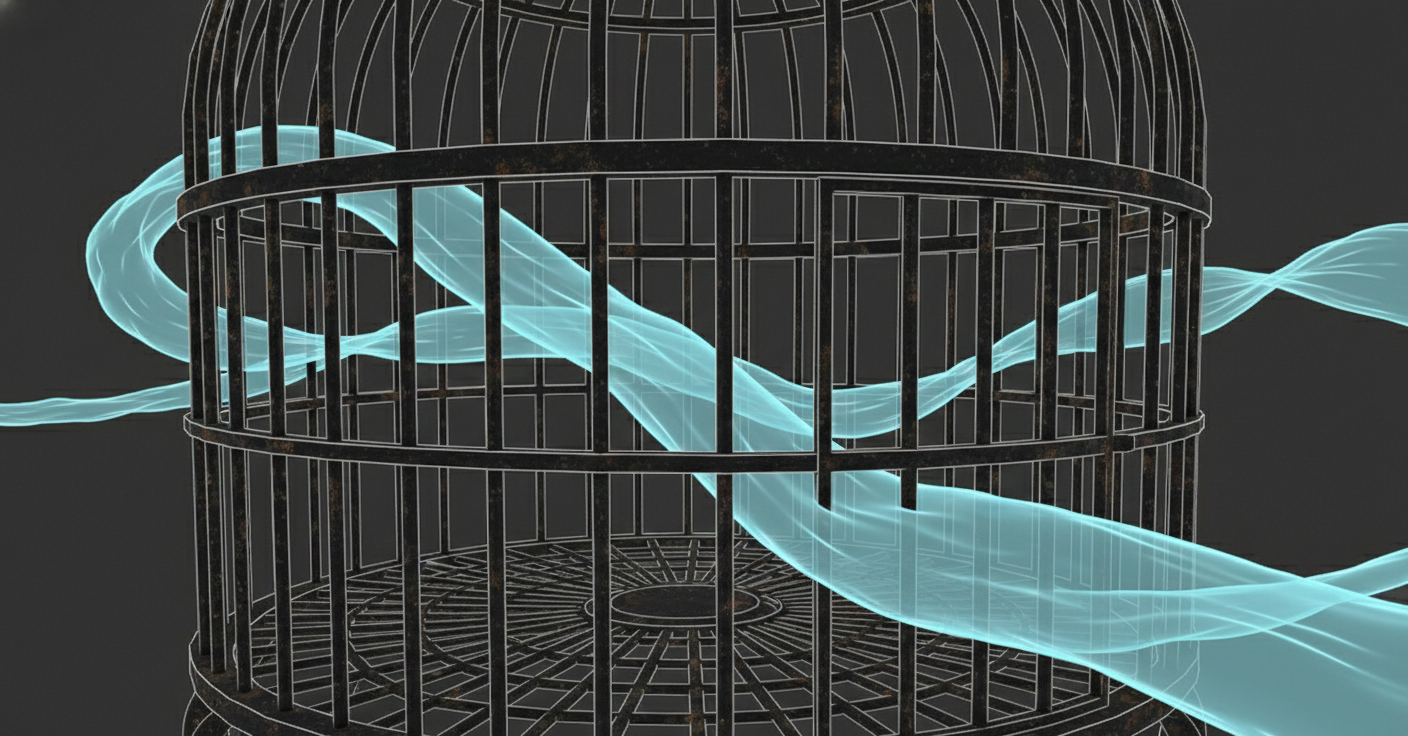
In modern medicine, Aphasia is a terrifying neurological condition where a patient loses the ability to speak or understand language. It is a deficit. But in the ancient philosophy of Sextus Empiricus, Aphasia (Aphasia) was a superpower. It meant "Non-Assertion." It was the disciplined refusal to say: "This is definitely true." Instead, the Skeptic would say: "This appears to be true to me at this moment."
To the modern ear, this sounds like weakness. We want leaders who are "Clear," "Direct," and "Certain." We want the CEO who slams their fist on the table and says, "We will own this market by Q4!" But the Chief Wise Officer knows that Certainty is a trap. When you assert a Dogmatic truth, you make yourself a target. You narrow your options. You tie your reputation to a future you cannot control. Strategic Aphasia, the art of speaking without trapping yourself, is the most underrated skill in the boardroom.
The Trap of Dogmatic Assertion
Imagine a typical negotiation. The Vendor (Dogmatist): "Our software is the only solution that solves your latency problem. It is perfect." The Client (Skeptic): "Interesting."
By making a Dogmatic assertion ("It is perfect"), the Vendor has just handed the Client a weapon. Now, the Client only needs to find one bug, one edge case, or one dissatisfied customer to destroy the Vendor's entire position. The Dogmatist plays a fragile game: they must be right 100% of the time. The Skeptic plays an antifragile game: they only need to be right once to win.
The "Liability of Language"
In corporate communications, every definitive statement is a liability waiting to explode.
- "We are not selling the company." (If you sell next month, you are a liar).
- "This product is secure." (If you get hacked, you are negligent).
- "We are committed to remote work forever." (If you call them back to the office, you are a tyrant).
These leaders aren't lying when they speak; they are just Dogmatists. They confuse their current intention with absolute truth. Sextus teaches us that the future is "Non-Evident" (Adelos). To assert a truth about the non-evident is to gamble with your credibility.
The Practice of Aphasia: "It Appears to Me"
How do you lead without sounding wishy-washy? You don't stop speaking. You change the Modality of your speech. Sextus advises the Skeptic to move from Ontological Claims (Claims about what is) to Phenomenological Claims (Claims about what appears).
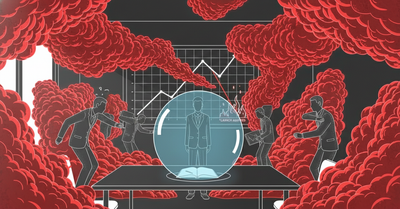
- Dogmatic: "The market is crashing." (Claim about reality).
- Aphasic: "The market indicators are currently red." (Claim about observation).
This subtle shift is strategic armor. If the market bounces back tomorrow:
- The Dogmatist looks like a fool ("You said it was crashing!").
- The Aphasic Leader remains credible ("Yes, the indicators were red yesterday; today they are green. We respond to the data.").
Application 1: The "Non-Assertive" Negotiation
In negotiation, the person who defines reality first often loses leverage. If you say, "We absolutely need this deal by Friday," you have asserted a constraint that the other side can exploit. The Master Negotiator practices Aphasia. They ask questions. They mirror. They say, "It seems that Friday is important to your timeline," but they rarely assert their own hard constraints until the very end. By refusing to assert your position, you remain a "Moving Target." The opponent cannot pin you down, so they cannot maneuver against you.
Application 2: The "Safe" Roadmap
Product Roadmaps are usually works of fiction. We assert: "We will launch the AI feature in Q3." When Q3 comes and the AI is broken, the team is demoralized and investors are angry. Applying Aphasia to the roadmap changes the promise. Instead of asserting Features ("We will build X"), assert Outcomes ("We are exploring ways to solve Y").
- Dogmatic Roadmap: "Q3: Launch Chatbot."
- Aphasic Roadmap: "Q3: Focus on reducing customer support wait times."
If the Chatbot turns out to be the wrong solution, the Aphasic team is free to pivot to a different solution without breaking their promise. They promised to solve the problem, not to build the specific widget. Aphasia buys you the freedom to pivot.
The Silence of the Wise
Sometimes, Aphasia means literally saying nothing. In a crisis, the pressure to "Control the Narrative" is immense. PR firms will tell you to "Get ahead of the story." Often, this means releasing a statement before you know the facts.
- Example: A company discovers a data breach. They immediately issue a statement: "No financial data was lost."
- Two days later: It turns out credit card numbers were lost. The company is now dead. Not because of the breach, but because of the contradiction.
The Skeptic knows that Silence is a valid position. "We are investigating. We have no comment at this time." This is uncomfortable. The media will scream. The board will panic. But the Wise Officer holds the silence. They know that it is better to be criticized for silence today than to be condemned for lying tomorrow.
Conclusion: The Strength of "Maybe"
We live in a world that rewards the loudest voice. Social media algorithms amplify Dogmatism. Nuance doesn't go viral. But in the long game of business, Dogmatism burns out. The leaders who survive are the ones who never boxed themselves in. Sextus Empiricus teaches us that there is immense power in the phrase "Perhaps" (Tacha).
- "Perhaps this strategy will work." (So let's test it).
- "Perhaps this candidate is the right fit." (So let's give them a trial).
- "Perhaps the market is shifting." (So let's keep our eyes open).
Aphasia is not about having no opinion. It is about having Liquid Opinions. When you refuse to turn your thoughts into stone statues, you remain fluid, adaptable, and alive. Don't let your words become your cage.
No spam, no sharing to third party. Only you and me.


Member discussion