
The "Lucarne" Paradox: Leading with Limited Visibility
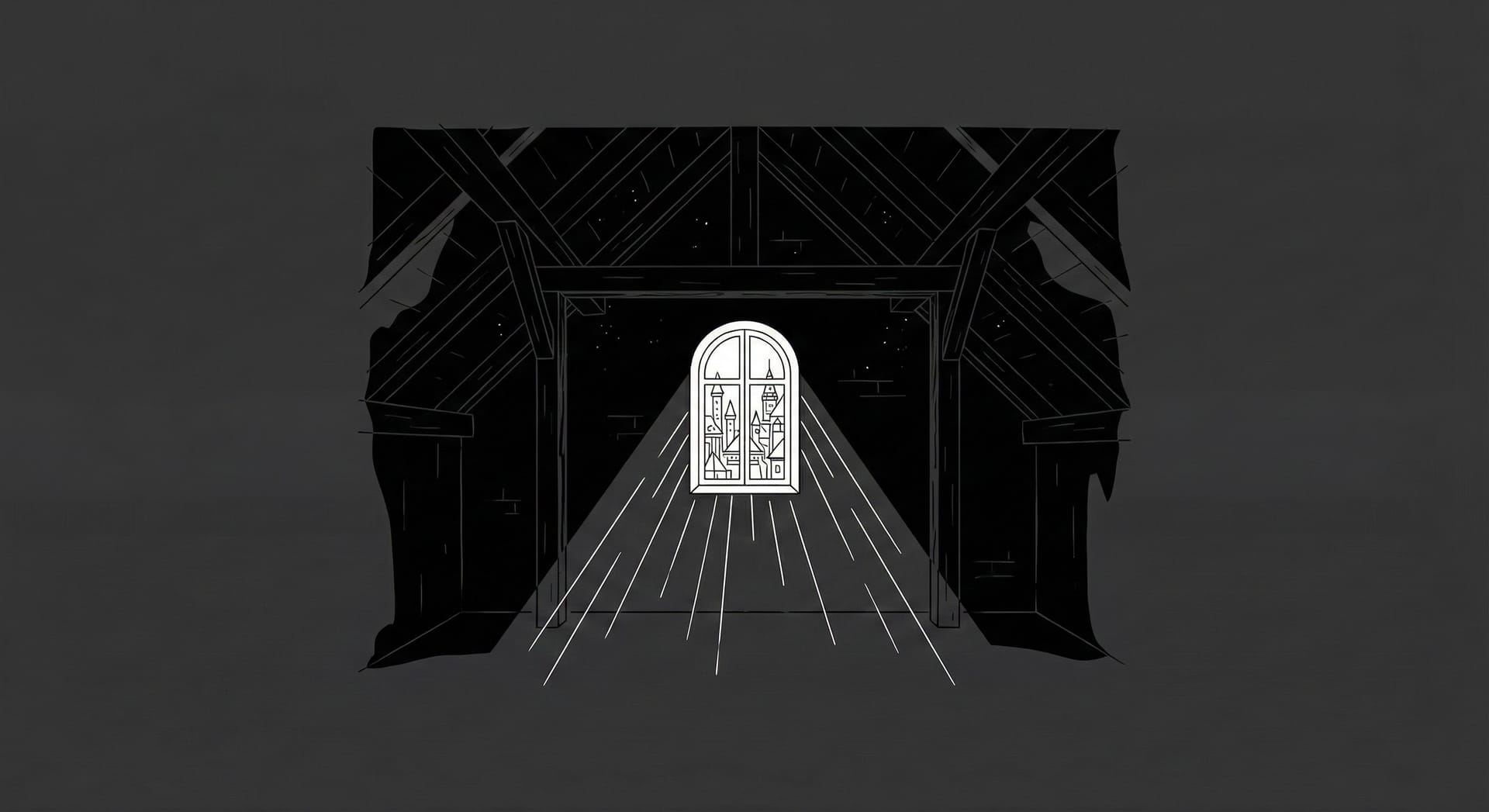
There is a fantasy that every executive holds dear: The fantasy of the Panopticon.
We believe that if we have enough dashboards, enough QBRs (Quarterly Business Reviews), and enough Slack channels, we will have a "God's Eye View" of the organization. We believe we see everything.
This is an illusion.
As you rise in an organization, your field of vision does not expand; it contracts. You trade Resolution for Scope.
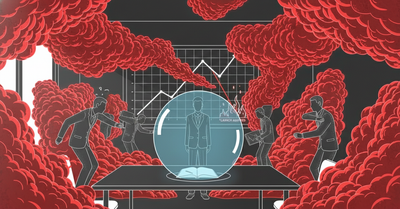
You are not standing on a mountain top. You are standing in a dark attic, looking at the world through a Lucarne (a small dormer window).
You see a very clear, very bright slice of reality—the slice your team wants you to see. The rest is shadow.
The Lucarne Paradox is the tension between your responsibility (which is total) and your visibility (which is partial).
Here is how to lead when you can only see through the keyhole.
1. The Thermocline of Truth
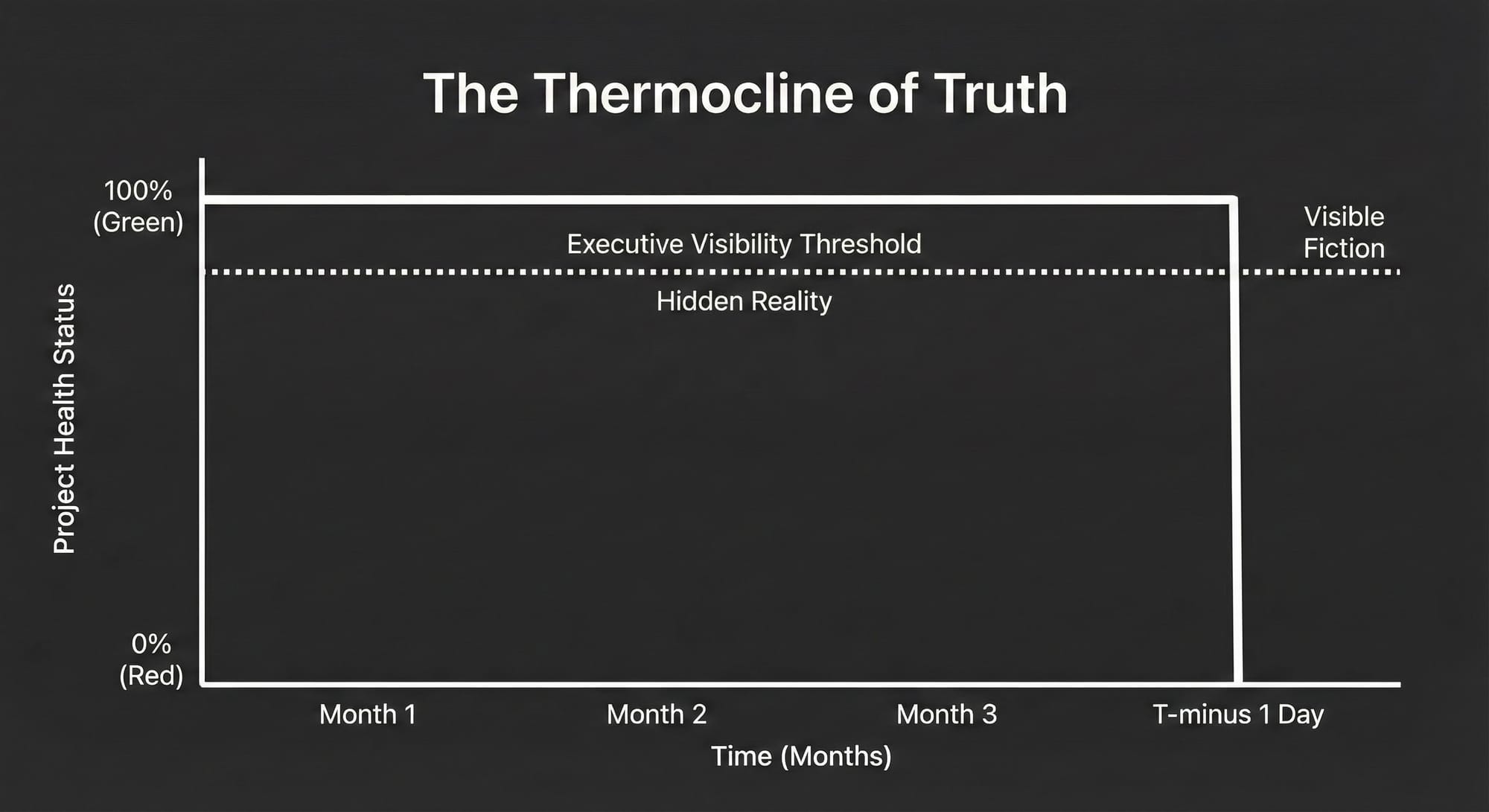
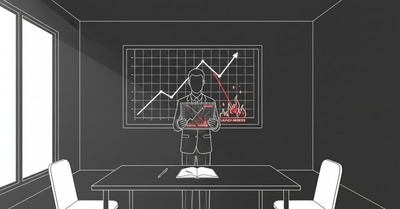
Why do projects stay "Green" (On Track) on the dashboard for months, only to turn "Red" (Critical Failure) the day before the deadline?
This is the Thermocline of Truth.
In the ocean, there is a layer where the temperature drops rapidly. In an organization, there is a layer where the truth stops rising.
- Engineers know the code is broken.
- Managers think it’s a "challenge" but fixable.
- Directors report it as "slight friction."
- VPs report it as "On Track."
- You (The CEO) see Green.
Bad news is heavy; it sinks. Good news is light; it floats.
By the time data reaches your Lucarne, it has been sanitized, polished, and stripped of all danger signals. You are making decisions based on a fiction designed to keep you calm.
2. The Iceberg of Ignorance
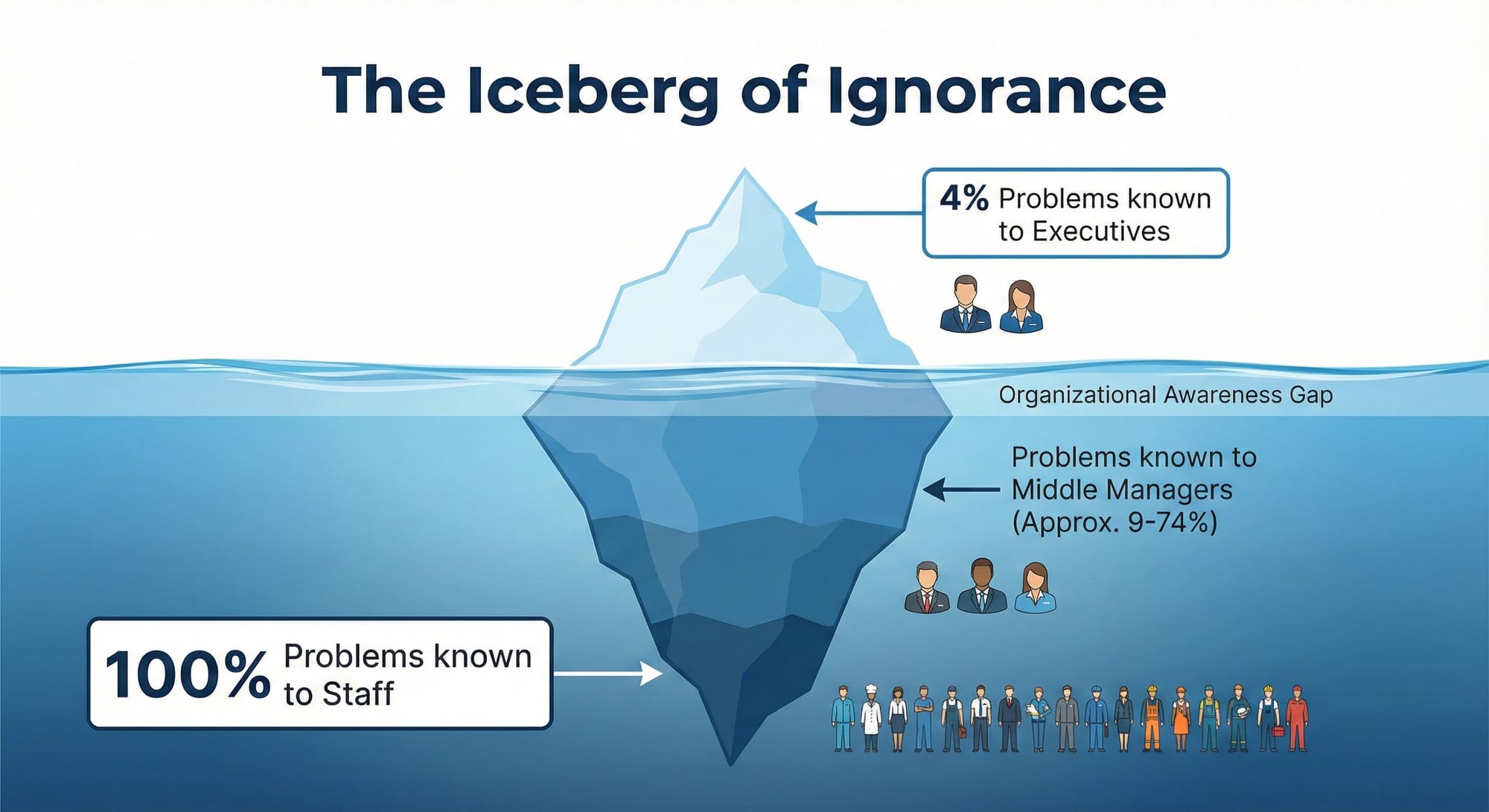
In 1989, consultant Sidney Yoshida proposed the "Iceberg of Ignorance" study. He quantified exactly how blind executives are.
His findings on who knows about the company's problems:
- 4% are known to Top Management.
- 9% are known to Middle Management.
- 74% are known to Supervisors.
- 100% are known to Front-Line Workers.
If you rely solely on your direct reports (Middle Management) for truth, you are operating with a 91% blind spot.
This explains why strategies that look brilliant in the boardroom often fail in the market. The strategy was built on the 4% of reality visible through the Lucarne.
3. Smashing the Window: Protocols for Visibility
If you accept the Lucarne Paradox—that your view is naturally limited—you must actively work to widen it. You cannot wait for the truth to come to you; you must go hunt for it.
Protocol A: The Skip-Level Meeting
Never rely exclusively on your direct reports.
- The Rule: Once a month, have lunch with a junior engineer or a customer support agent.
- The Question: Do not ask "How are things?" (They will lie). Ask: "What is the one thing we are doing that is stupid?" or "What is the one tool that slows you down every day?"
Protocol B: The "Mystery Shopper"
Stop reading the QA reports. Use your own product.
- If you run an e-commerce site, buy something with your personal credit card. Call your own support line.
- If you run a SaaS platform, try to integrate the API yourself (or watch someone do it).The friction you feel is the Ground Truth.
Protocol C: The Court Jester
In medieval courts, the Jester was the only person allowed to mock the King without being executed.
You need a Jester. Find the person in your org who is cynical, grumpy, but brilliant. Give them permission to tell you when your strategy is naked. Protect them at all costs.
Summary
Leadership is not about knowing everything. It is about knowing that you cannot know everything.
The danger is not the limit of your vision; the danger is forgetting that the limit exists.
- The arrogant leader thinks the view from the Lucarne is the whole world.
- The wise leader knows they are looking through a tiny window, and constantly asks: "What is hiding in the shadows?"
No spam, no sharing to third party. Only you and me.

Member discussion