
Lexicon: Simulation
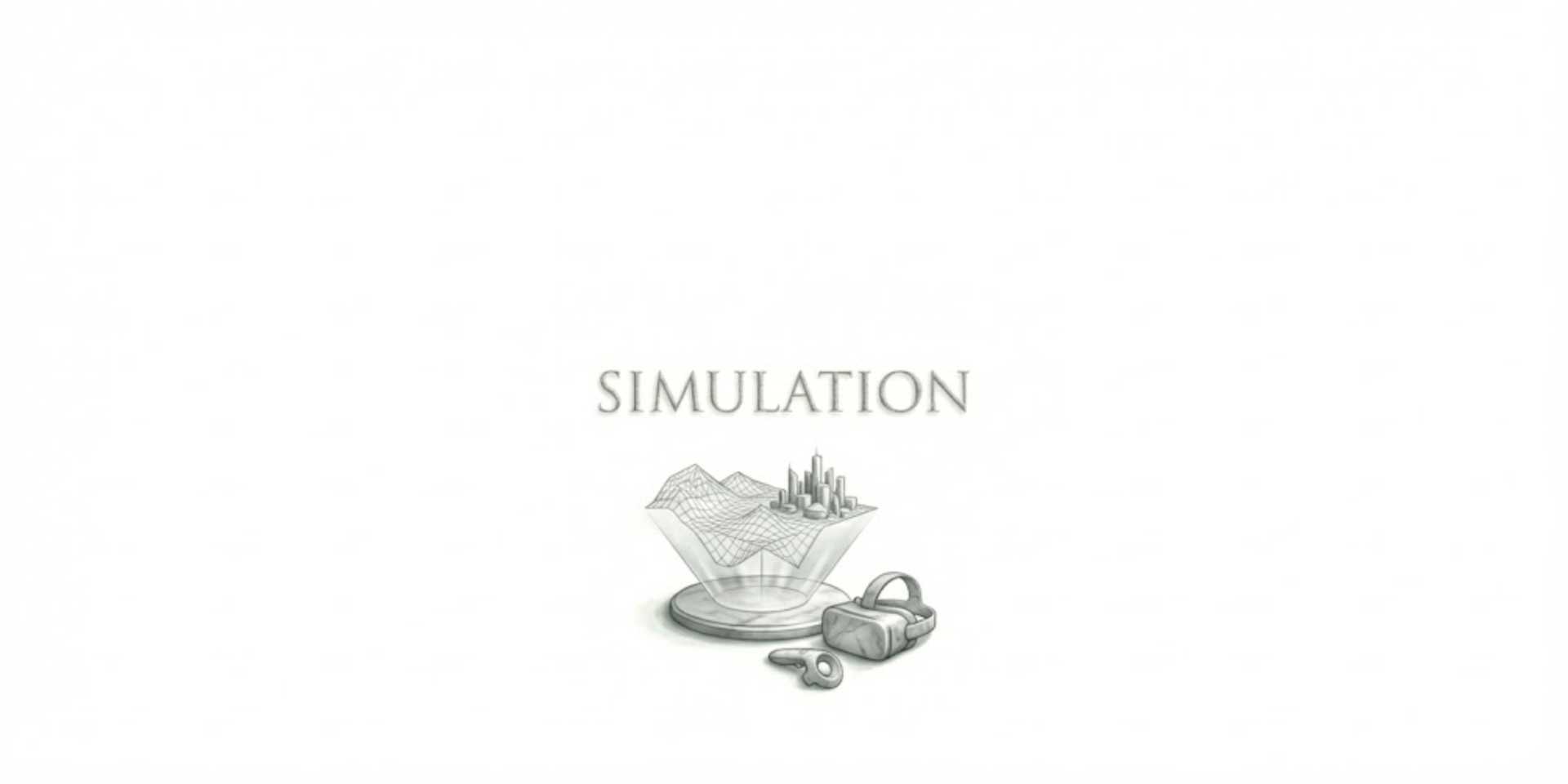
The Etymology
From the Latin simulare ("to copy," "to represent," or "to feign"). Historically, it meant a fake. In modern engineering, it means a predictive model.
The Definition
In philosophy, Jean Baudrillard famously warned of the Simulacrum, a copy that becomes more real than the reality it represents.
- The Map: Represents the territory.
- The Simulation: Eventually replaces the territory. We see this in social media (the "Profile" is more important than the Person) and in economics (the "Stock Market" is treated as the Economy, even if the streets are empty).
The Corporate Application
The Chief Wise Officer knows that Simulation is Seductive. Why do managers love spreadsheets, Digital Twins, and KPIs? Because reality is messy, dirty, and unpredictable. The Simulation is clean, logical, and controllable. It is tempting to hide in the Simulation.
The "Green Dashboard" Fallacy:
- The Simulation: The dashboard says "All Systems Green." (KPIs are met).
- The Reality: The customers are angry, and the staff is burning out.
- The Error: The manager yells at the staff because they don't match the dashboard. "But the model says you have capacity!"
The Rule: Use the Simulation (DTO) to ask questions, never to dictate answers. If the Map disagrees with the Territory, the Territory is right. Never mistake the clean logic of the Digital Twin for the messy, human reality of the office.
No spam, no sharing to third party. Only you and me.

Member discussion