Heraclitus: The River of Technical Debt
There is a fantasy that every CTO holds dear: The Stable Release.
We believe that if we just work hard enough, fix enough bugs, and freeze enough features, we will reach a state where the software is "Done." We imagine a moment where the documentation matches the code, the tests are green, and the system is still.
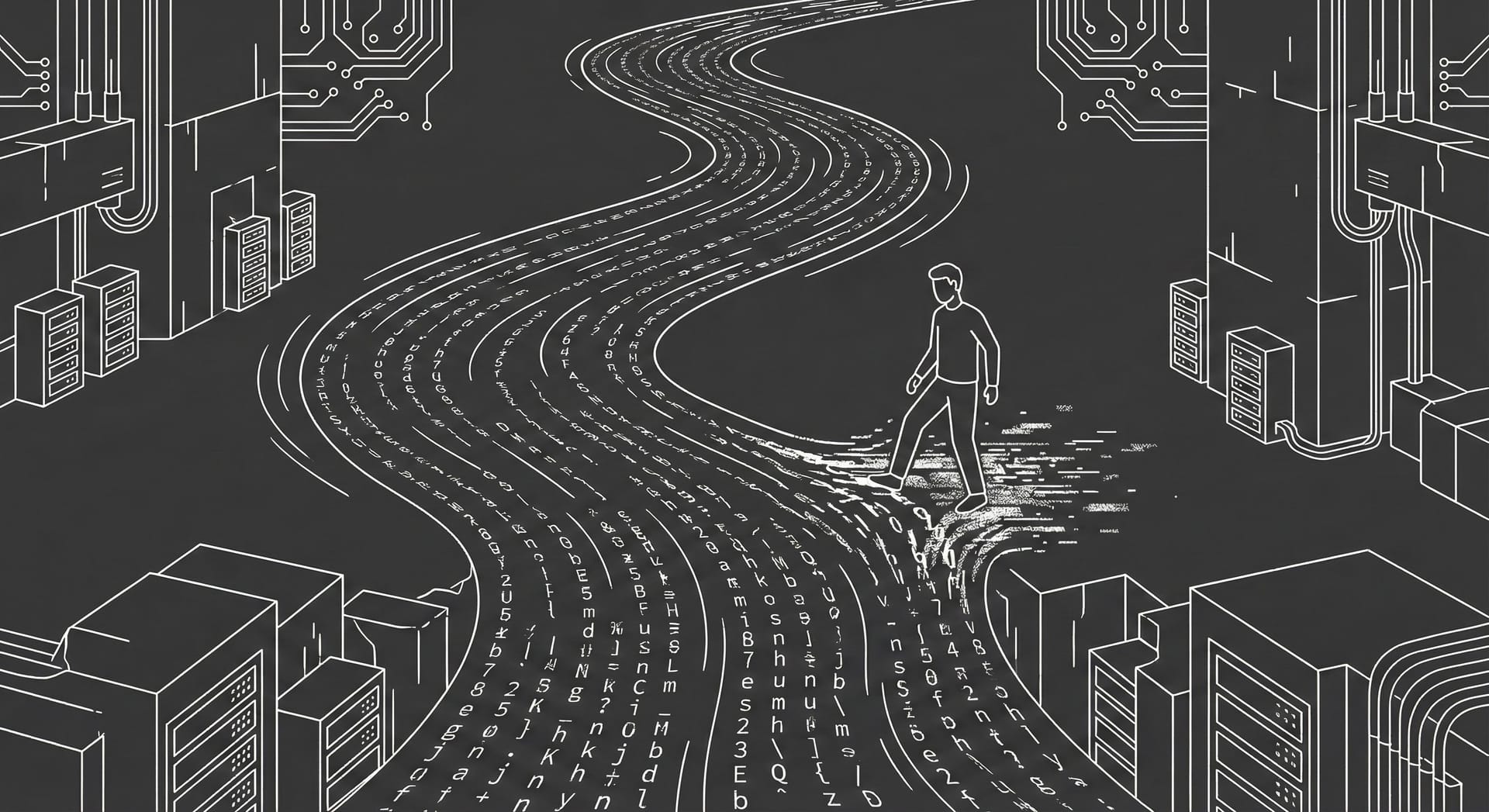
This is an illusion. Software is not a building; it is a river.
The Greek philosopher Heraclitus (c. 535 – 475 BC) gave us the metaphysical framework to understand why "Stability" is impossible in a modern engineering organization. His most famous maxim explains exactly why your documentation is always out of date and why your staging environment never matches production.
"No man ever steps in the same river twice, for it's not the same river and he's not the same man."
Here is how the philosophy of Flux changes how we manage Technical Debt.
1. The Ontology of Flux (Panta Rhei)
Heraclitus argued that Change is the fundamental essence of the universe (Panta Rhei - "Everything flows"). Stability is an illusion created by our limited perception.
In software, we try to fight Flux.
- We create "Code Freezes."
- We write "Long-Term Support" (LTS) plans.
- We demand "Pixel Perfect" implementations.
But the moment you deploy code, the environment changes.
- The "iOS Update" Problem: You didn't touch your code, but Apple updated iOS, and now your app crashes.
- The API Drift: Facebook changes their API, and your "Login with Facebook" button breaks overnight.
The Executive Lesson:
Stop optimizing for Stability (resistance to change). Optimize for Fluidity (adaptability to change).
A system that tries to be "Solid" will crack under pressure. A system that accepts it is "Liquid" will flow around obstacles.
2. You Never Debug the Same System Twice
When a developer says, "I fixed this bug locally, but it's still happening in Production," they are experiencing Heraclitus.
- Local Environment: The river at 9:00 AM (Empty database, fast network).
- Production Environment: The river at 9:05 AM (Full database, slow network, real user traffic).
You literally cannot step in the same river twice. This leads to the problem of Configuration Drift.
The Manual Trap (The Artisan):
If a SysAdmin logs into a server to "tweak a setting" to fix a bug, they have changed the river. Six months later, no one remembers that tweak. The server is now unique. If it crashes, you cannot recreate it.
The Immutable Solution (The Factory):
Modern DevOps relies on Containers (Docker).
We do not "fix" a broken container. We destroy it and spin up a new one from a fresh blueprint.
We accept the Flux. We don't try to clean the old water; we pour new water.
3. The Documentation Paradox
Why is documentation always outdated?
Because documentation describes a Snapshot (Static), but code describes a Process (Dynamic).
Attempting to keep a Wiki 100% in sync with a codebase that changes 50 times a day is a Sisyphean task. It denies the nature of the river.
The Heraclitean Solution:
Don't document how the system works (the implementation changes daily).
Document why the system exists (the intent).
- Bad Doc: "Function X takes 3 arguments." (Obsolete next week).
- Good Doc: "We use a retry mechanism here because the Payment Gateway is unreliable." (Timeless truth).
4. Technical Debt as "Sediment"
If software is a river, Technical Debt is not "bad code." It is Sediment.
As the river flows, it deposits silt. This is natural.
- Flow: Fast-moving projects keep the channel clear.
- Stagnation: If you stop shipping features to "stabilize," the flow slows down, and the sediment settles. The riverbed rises, and eventually, you flood.
Counter-Intuitive Truth:
The way to fix Technical Debt is often to move faster, not slower.
Continuous Refactoring (keeping the water moving) prevents the sediment from hardening into concrete. The "Big Rewrite" (stopping the river to dredge it) usually kills the ecosystem.
Summary
Heraclitus teaches us that we cannot pause reality.
The goal of engineering management is not to build a dam and stop the water. It is to build a boat that can navigate the rapids.
- Accept the Flux: Your staging environment is already different from production.
- Embrace Immutable Infrastructure: Don't fix servers; replace them.
- Flow cleans the Code: Frequent small deployments are safer than infrequent large ones.
The river is moving. You must move with it.
No spam, no sharing to third party. Only you and me.

Member discussion